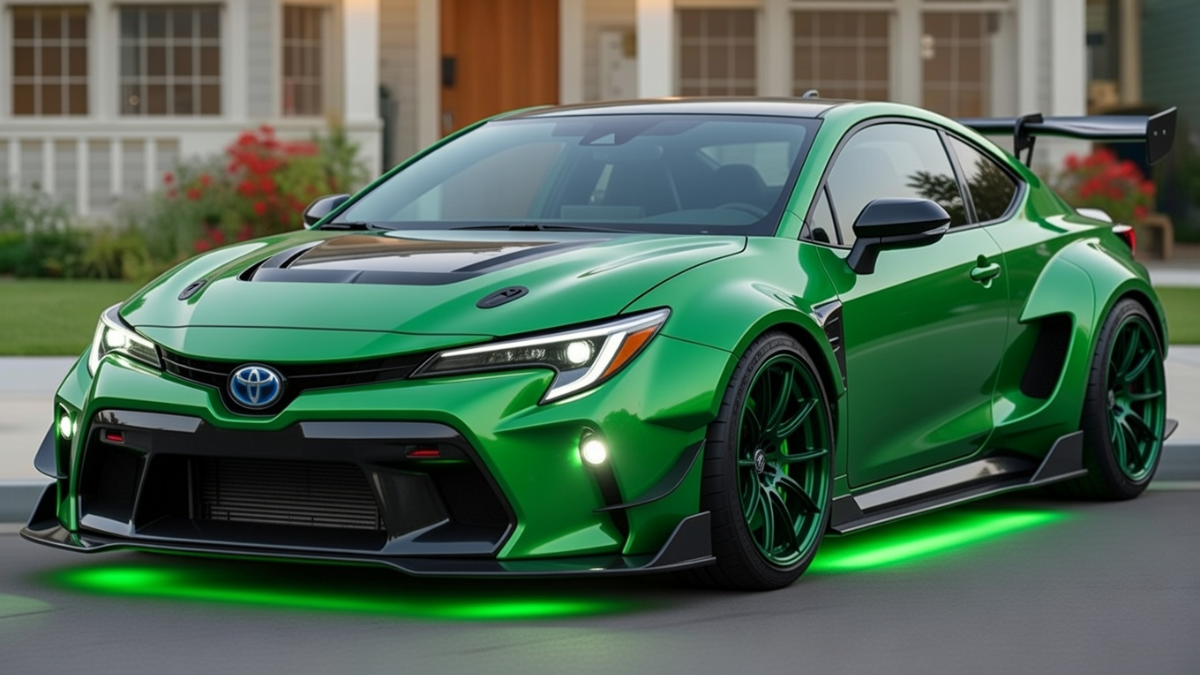
The 2026 Toyota Corolla Hybrid arrives with a wave of intelligent upgrades focused on efficiency, safety, and digital convenience. Among these innovations is a next-generation smart cabin feature designed to enhance driver awareness and personalization. However, this very feature has triggered regulatory scrutiny in a few U.S. states, leading to restrictions that many drivers are only now discovering.
Built on the trusted hybrid foundation of Toyota, the Corolla Hybrid remains fully legal nationwide, but specific smart cabin functions may be limited or disabled depending on local regulations.
What The ‘Smart Cabin’ Feature Actually Does
The smart cabin system in the 2026 Toyota Corolla Hybrid is designed to adapt the driving environment in real time. Using interior sensors and software intelligence, it can adjust alerts, driver assistance sensitivity, and cabin responses based on driver behavior and conditions.
The goal is safety and convenience. The system aims to reduce distraction, detect driver fatigue, and personalize the driving experience automatically. In most states, it operates seamlessly as part of the vehicle’s broader driver-assist ecosystem.
Why Some States Have Raised Legal Concerns
The controversy does not revolve around driving performance or emissions. Instead, it centers on data handling and in-cabin monitoring rules. Certain states have stricter interpretations of privacy and biometric data laws, especially when interior sensors monitor driver behavior or attention.
In these jurisdictions, regulators argue that continuous in-cabin monitoring, even for safety purposes, may conflict with local consent or data usage requirements. As a result, specific functions of the smart cabin system are restricted or require manual deactivation.
The car itself remains legal. The feature is what faces limitations.
Which States Are Affected And How
Rather than banning the vehicle, these states require manufacturers to modify how certain smart cabin functions operate. This can include disabling continuous monitoring, limiting data retention, or requiring explicit driver consent at every startup.
These rules are applied differently depending on state-level consumer protection and privacy frameworks. Toyota complies by tailoring software behavior to meet local regulations, ensuring the Corolla Hybrid can still be sold and driven legally.
For drivers, this means the experience may vary slightly depending on where the car is registered.
Why This Issue Is Becoming More Common
As vehicles become smarter, laws are struggling to keep pace. Features that blend safety, automation, and data collection often sit in regulatory gray areas. What is considered a safety enhancement in one state may be viewed as a privacy concern in another.
The 2026 Corolla Hybrid is not alone in this situation. Many modern vehicles now face similar challenges as in-cabin technology becomes more advanced and proactive.
This debate reflects the growing tension between innovation and regulation.
Does This Affect Safety Or Performance
For most drivers, the impact is minimal. Even in states with restrictions, the Corolla Hybrid retains all core safety systems, hybrid efficiency benefits, and driver assistance features required for normal operation.
The restricted smart cabin functions are enhancements, not essentials. Toyota ensures that any disabled or modified features do not compromise vehicle safety or drivability.
The car remains just as reliable and efficient.
Why Toyota Included The Feature Anyway
Toyota’s strategy with the 2026 Corolla Hybrid is future-focused. Smart cabin technology is designed to prepare drivers for increasingly intelligent vehicles while improving everyday safety today. Including such features early allows Toyota to refine systems and adapt them responsibly as regulations evolve.
By offering software-based flexibility, Toyota can update or adjust features over time without redesigning the vehicle itself.
This approach protects both innovation and compliance.
What Buyers Should Know Before Purchasing
Prospective buyers should be aware that smart cabin functionality may differ slightly by state. Dealers can explain which features are active locally and how privacy settings are handled.
For most owners, this will not be a deciding factor. However, tech-focused buyers may want clarity on how in-cabin systems operate in their region.
Transparency is becoming as important as technology itself.
Why This Matters For The Future Of Cars
The discussion around the 2026 Toyota Corolla Hybrid highlights a much bigger shift in the automotive world. Cars are no longer just mechanical machines. They are becoming intelligent environments that interact with drivers in new ways.
As this evolution continues, manufacturers and regulators will need to work together to balance safety, innovation, and personal privacy. The Corolla Hybrid simply happens to be one of the first mainstream sedans to bring this conversation into public view.
Conclusion
The 2026 Toyota Corolla Hybrid remains a smart, efficient, and dependable sedan, but its advanced smart cabin feature has sparked legal debate in a few states due to evolving privacy laws. The vehicle itself is fully legal nationwide, with only certain software functions adjusted regionally. This situation underscores a broader industry challenge as automotive technology advances faster than legislation. For buyers, it serves as a reminder that the future of driving is not just about hardware and efficiency, but also about how technology and law intersect inside the cabin.
Disclaimer: This article is for informational purposes only. Laws, regulations, and vehicle features vary by state and are subject to change. Buyers should consult local dealers or official sources for the most accurate and current information.